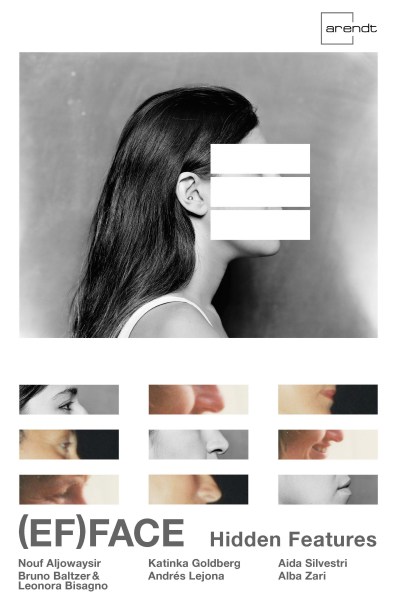
(EF)FACE – Hidden
Features – Nouf Aljowaysir
Nouf Aljowaysir was born in Riyadh, Saudi Arabia, in 1993. After moving to the United States at the age of thirteen, she completed a Bachelor’s degree in Architecture and Human-Computer Interaction at Carnegie Mellon University in 2016, followed by a Master’s degree from the Interactive Telecommunications Program at New York University in 2018. Since then, she has developed an artistic practice that brings emerging technologies into dialogue with questions of heritage, memory, and identity. Her work has been presented internationally at major institutions and festivals including the Centre Pompidou, Museo Tamayo, M+ Museum, CPH:DOX, and the Tribeca Film Festival, among others.
Trained in computational architecture and creative coding, Aljowaysir explores the ways emerging technologies shape our understanding of culture, language, and identity. As early as 2019, before artificial intelligence became as widely integrated into everyday life as it is today, she began incorporating AI into her artistic practice as a critical and investigative tool.
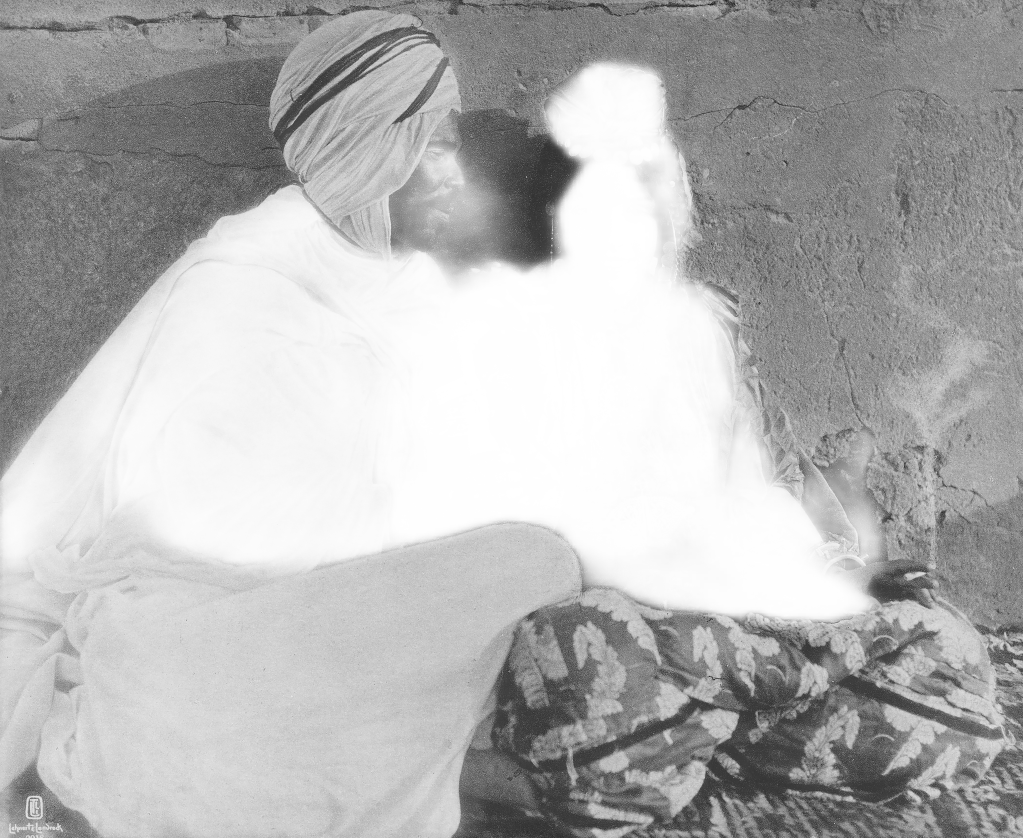
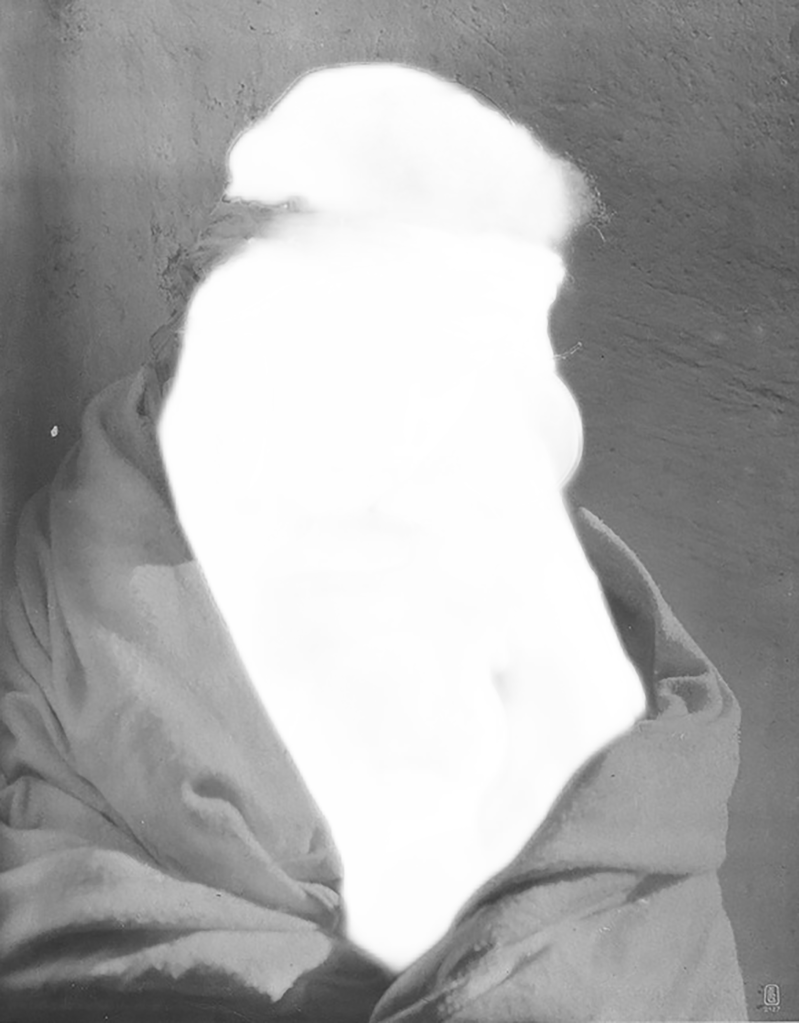
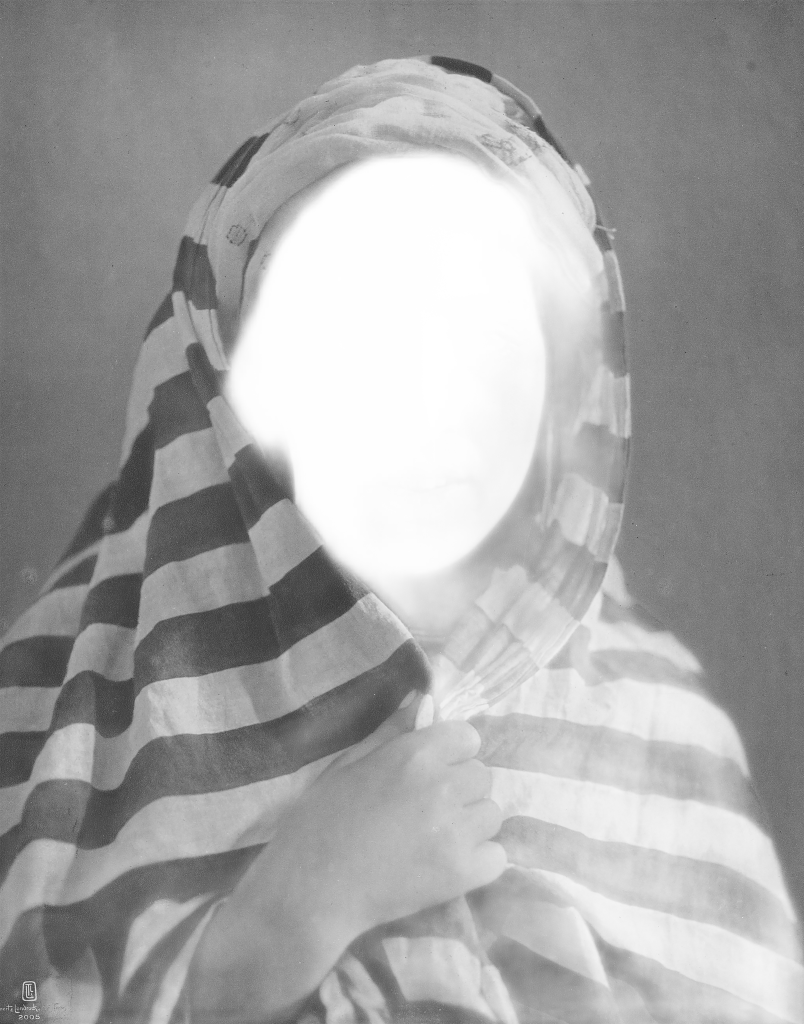
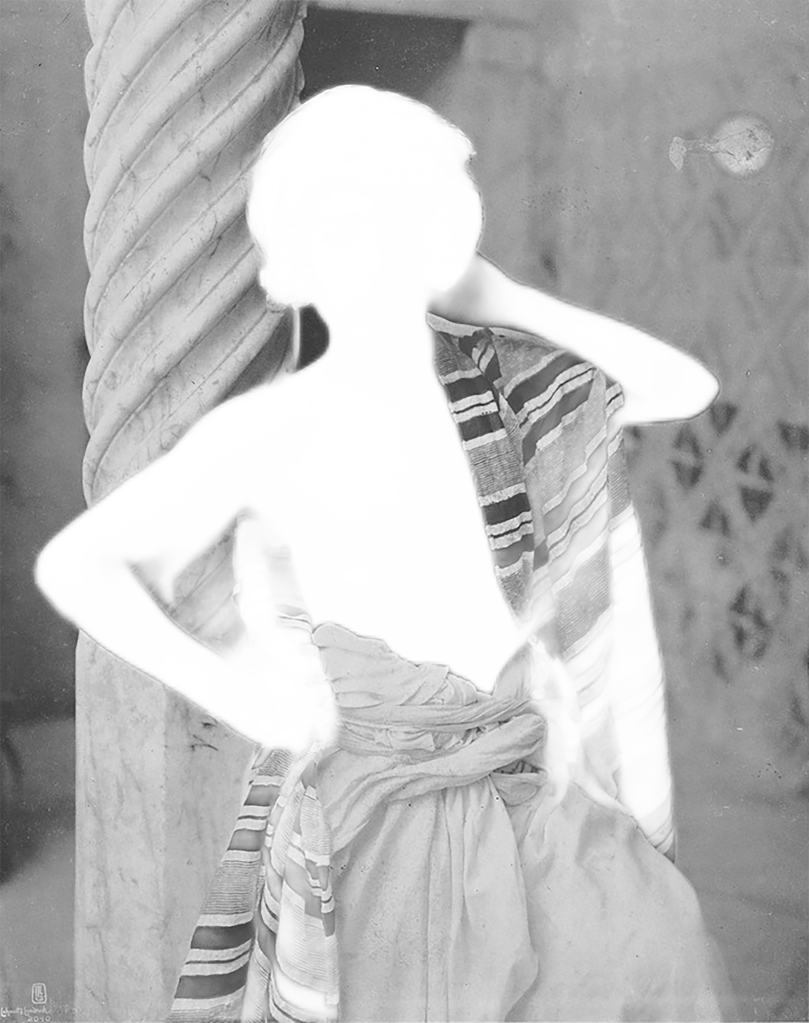
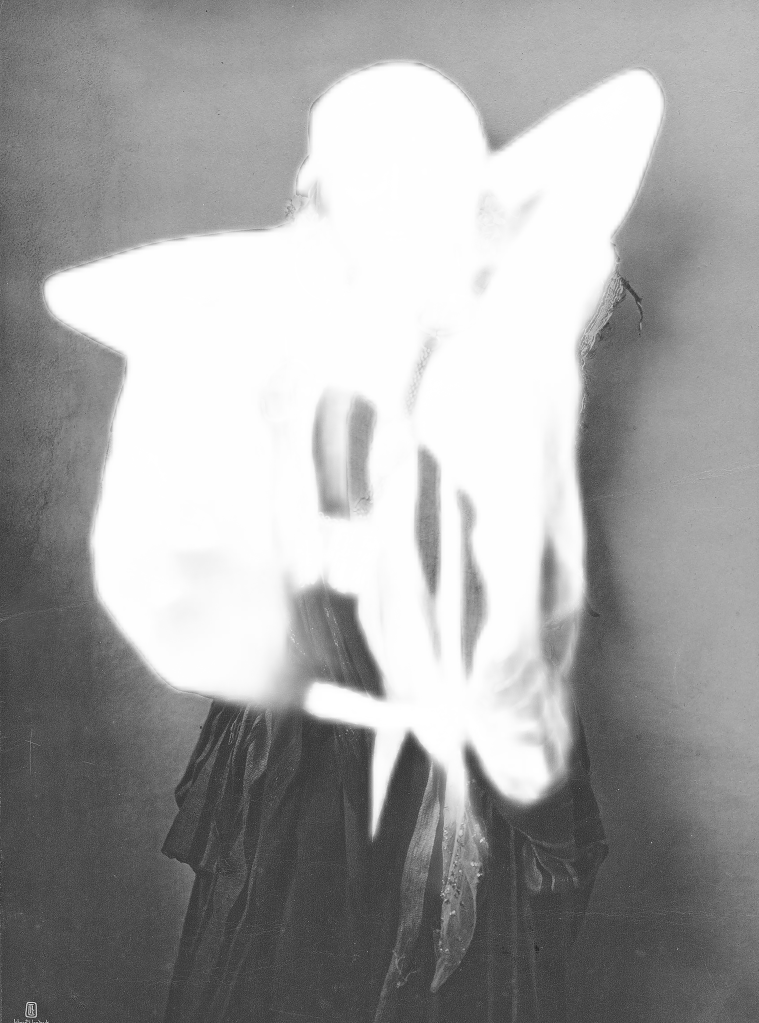
Although she does not identify primarily as a photographer, the photographic image occupies a central place in her work. In her series Salaf (2020), Aljowaysir uses artificial intelligence to question the limited visibility and recognition of her ancestors’ cultural heritage within contemporary technological systems. The images she revisits and analyses in this project are drawn both from her own family archive and from historical representations, notably including orientalist images from the Getty Museum’s collections.
Through this project, she examines the extent to which artificial intelligence systems are able to detect, interpret, and potentially reconstruct visual material associated with her cultural background. By engaging with computer vision technologies, she investigates the mechanisms through which images are analysed, categorised, and rendered legible within algorithmic frameworks. More broadly, her work interrogates the descriptive protocols through which visual data is processed, questioning how such systems are effectively coded to recognise certain cultures and how these processes shape the visibility, or invisibility, of specific historical and cultural narratives.
Marked by fragmentation and partial disappearance, the images produced in Salaf evoke the gaps and silences that shape both personal and collective memory. Through this process, Aljowaysir reflects on the role technological systems play in constructing, or failing to construct, forms of cultural visibility across generations.