(EF)FACE – Hidden
Features – Alba Zari
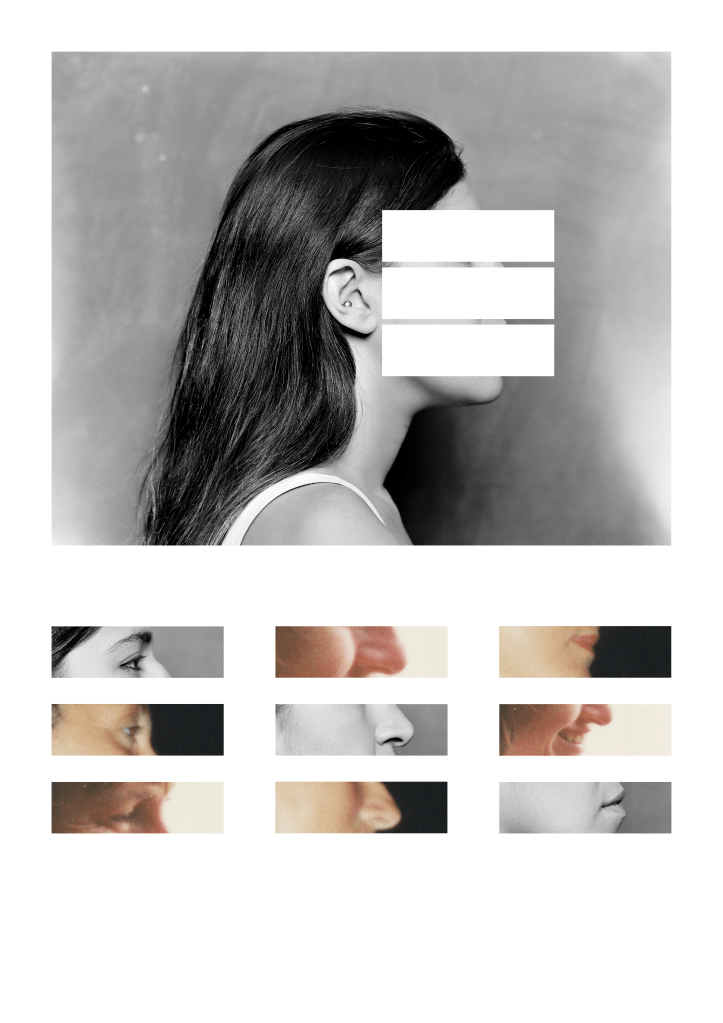
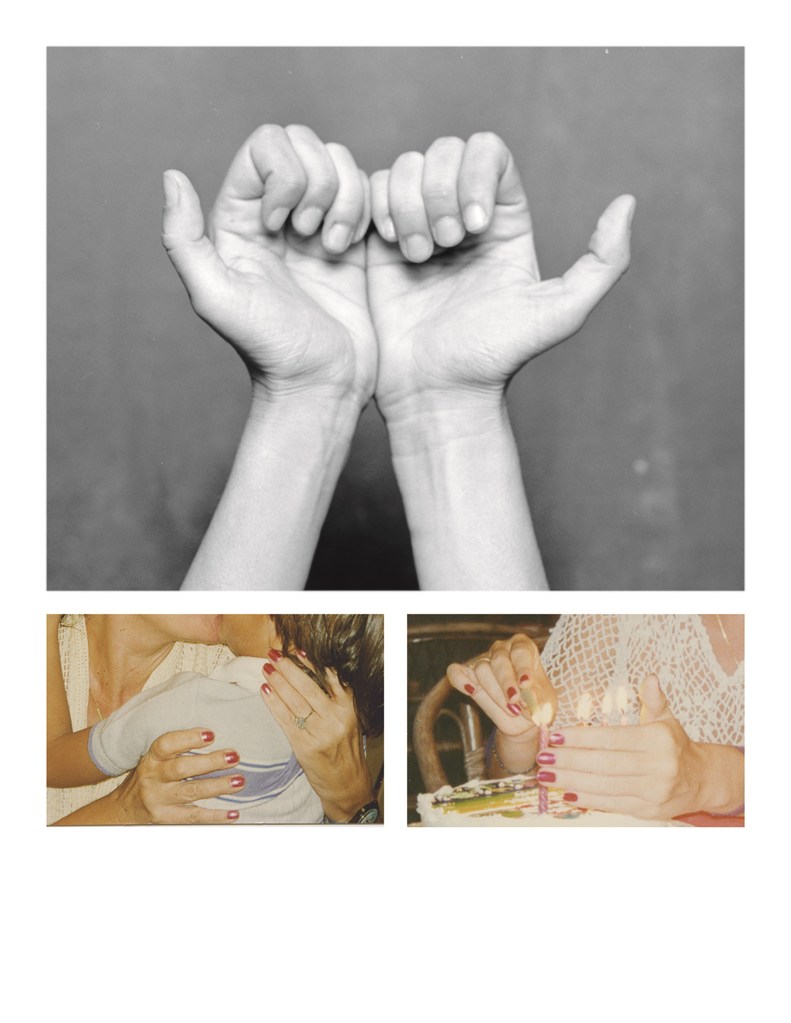
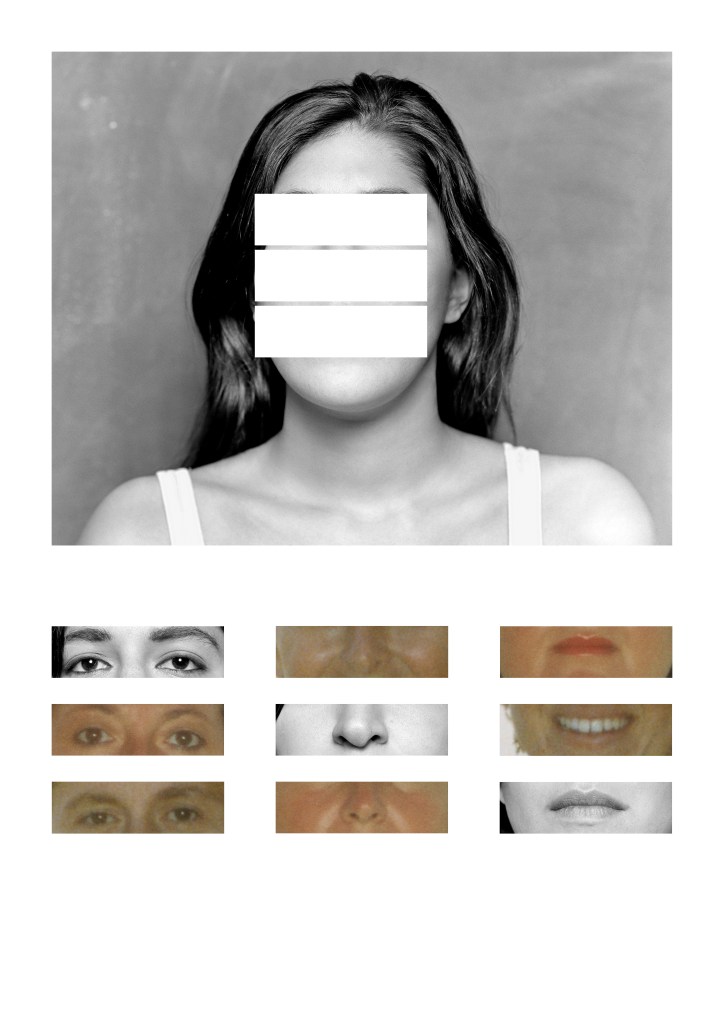
Alba Zari (born in 1987) is an Italian photographer whose practice brings together documentary inquiry, conceptual strategies, and autobiographical research. Born in Thailand and raised there until the age of eight, she later settled in Italy, first in Trieste and then in Bologna, where she studied cinematography at the DAMS programme of the University of Bologna. She continued her training in photography and visual design at the Nuova Accademia di Belle Arti (NABA) in Milan and later pursued documentary photography studies at the International Center of Photography in New York. Across her work, Zari investigates the fragile relationship between memory, evidence, and identity, often combining archival material with technological tools to question how personal histories are constructed and verified.
Her project The Y represents a pivotal moment within this trajectory. It began after she learned, at the age of twenty-five, that the man she had believed to be her father was not biologically related to her. This discovery produced a profound disruption in her understanding of herself and initiated a long-term investigation into what she describes as a missing part of her genealogical identity. Rather than approaching this experience purely through narrative or confession, Zari developed a research-based process grounded in documents, photographs, and genetic testing, adopting a method closer to forensic inquiry than to traditional photography.
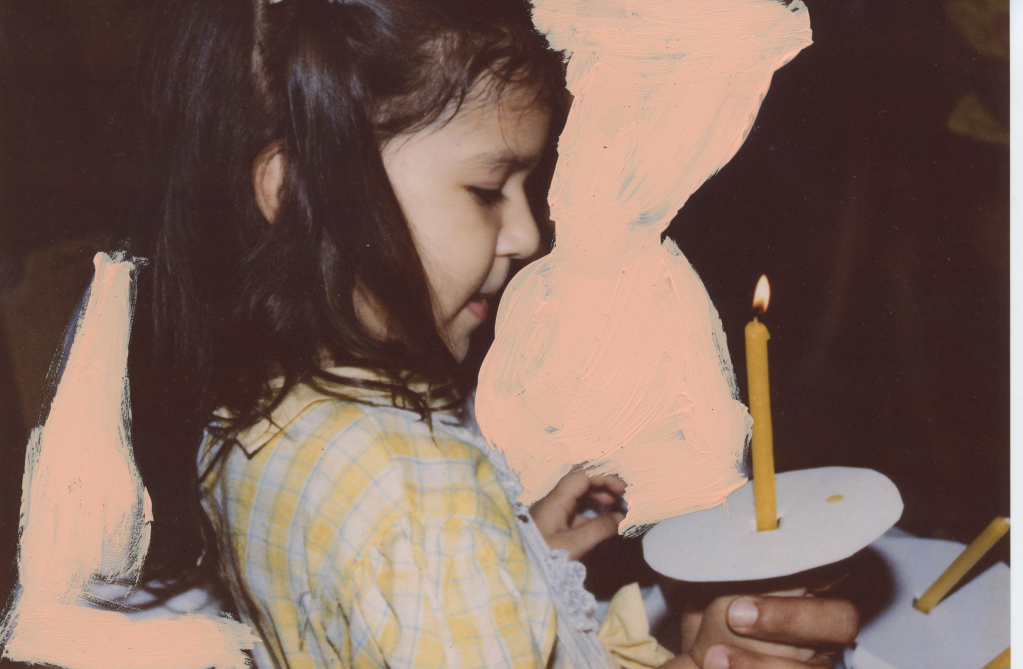
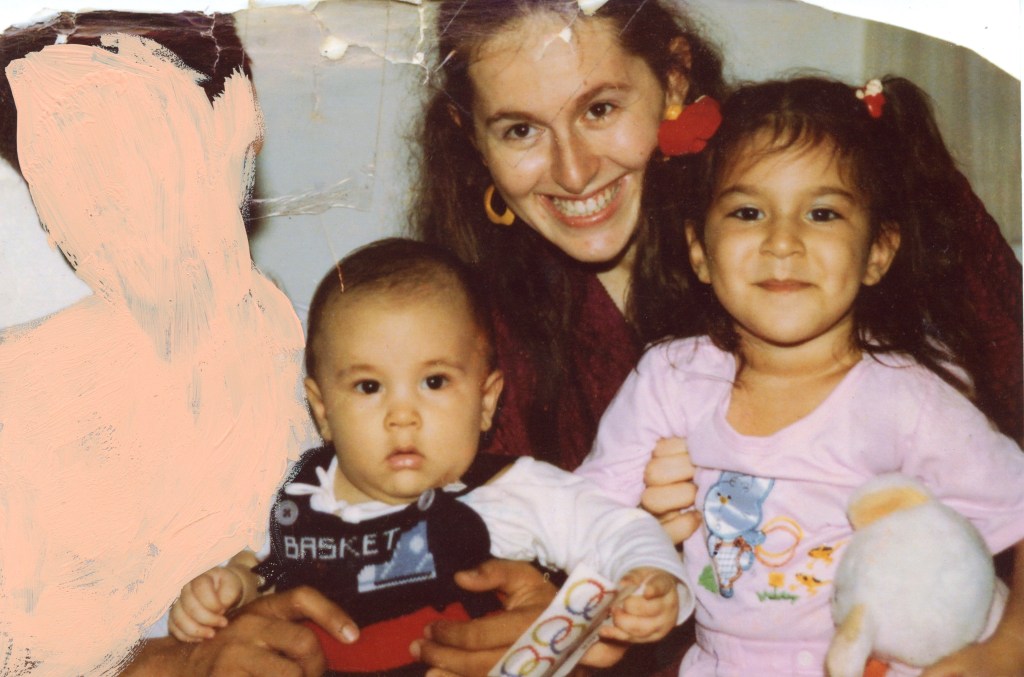
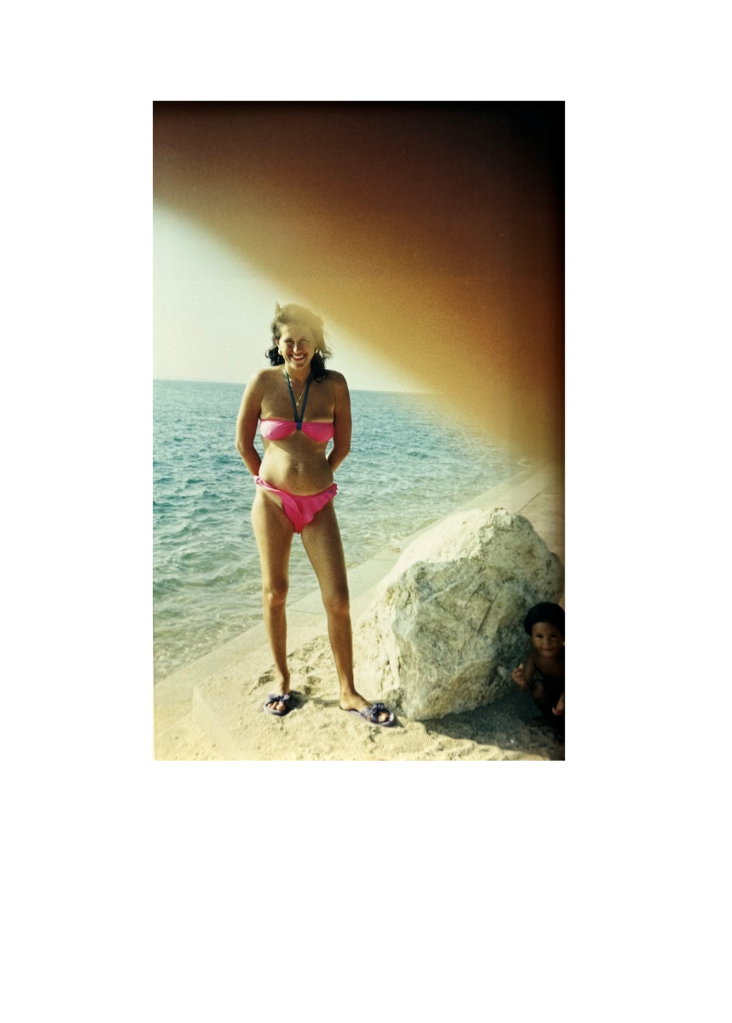
Within the project, family albums, administrative records, and DNA results become working materials through which resemblance itself is examined as visual evidence. The title The Y refers symbolically to the absent paternal chromosome and more broadly to the impossibility of fully reconstructing an unknown origin. Photography thus operates simultaneously as an analytical instrument and a poetic device, allowing the artist to explore absence not as a void but as a productive space of questioning.
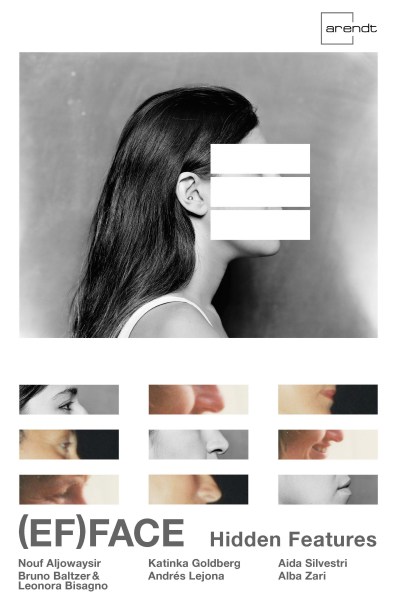
In several works from the series, facial features such as the eyes, nose, and mouth are intentionally removed from portraits, recalling childhood learning games in which images must be recomposed piece by piece. Viewers are invited to mentally complete what is missing, transforming the act of looking into a participatory gesture of reconstruction and interpretation. This strategy opens the image to uncertainty and suggests that identity itself is always partially assembled.
Through The Y, Zari extends a personal search into a wider reflection on belonging and the experience of missing figures within family histories. Her work proposes photography not simply as a medium of representation, but as a tool for investigation capable of engaging with the limits of knowledge, memory, and biological inheritance.